Before the garden
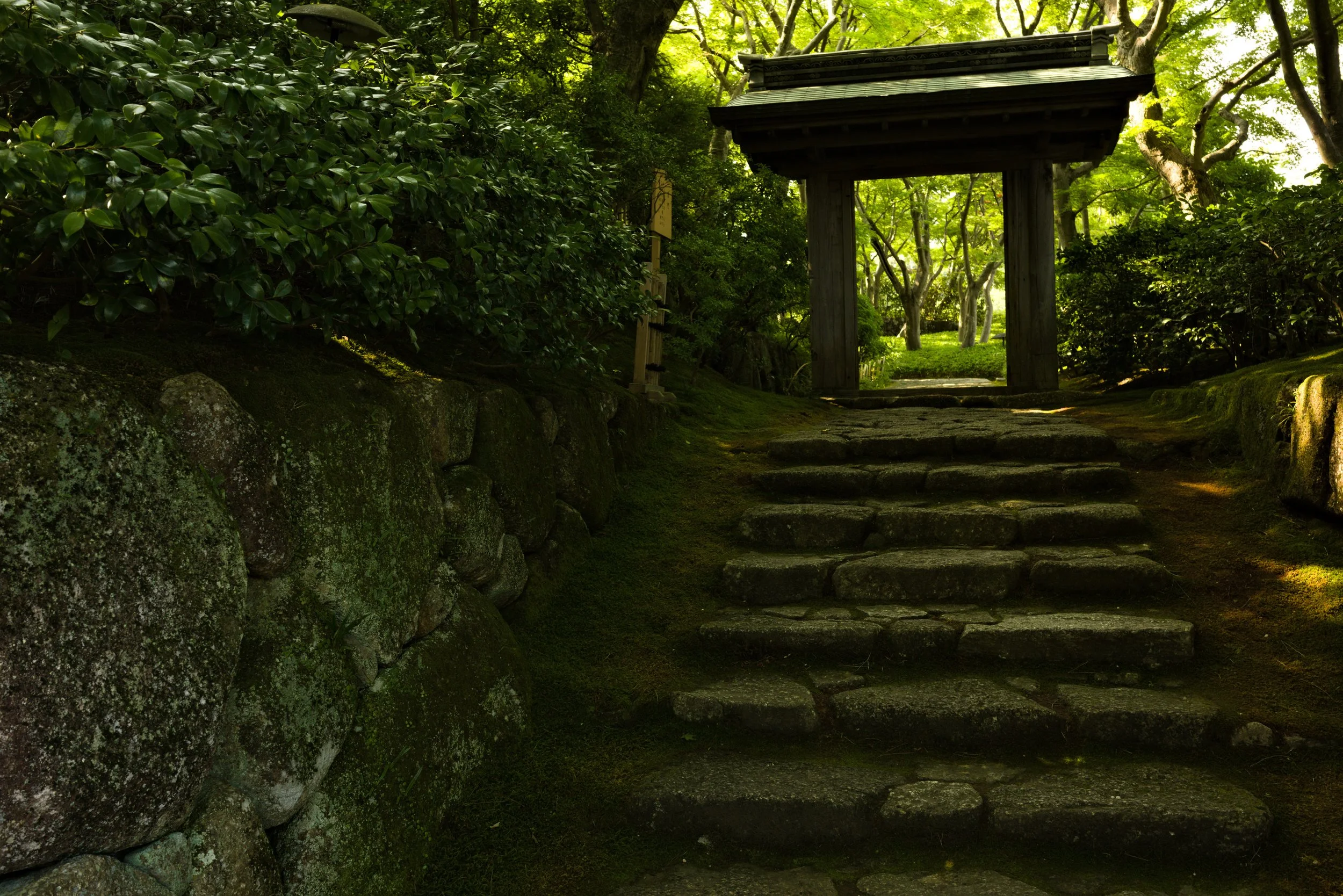
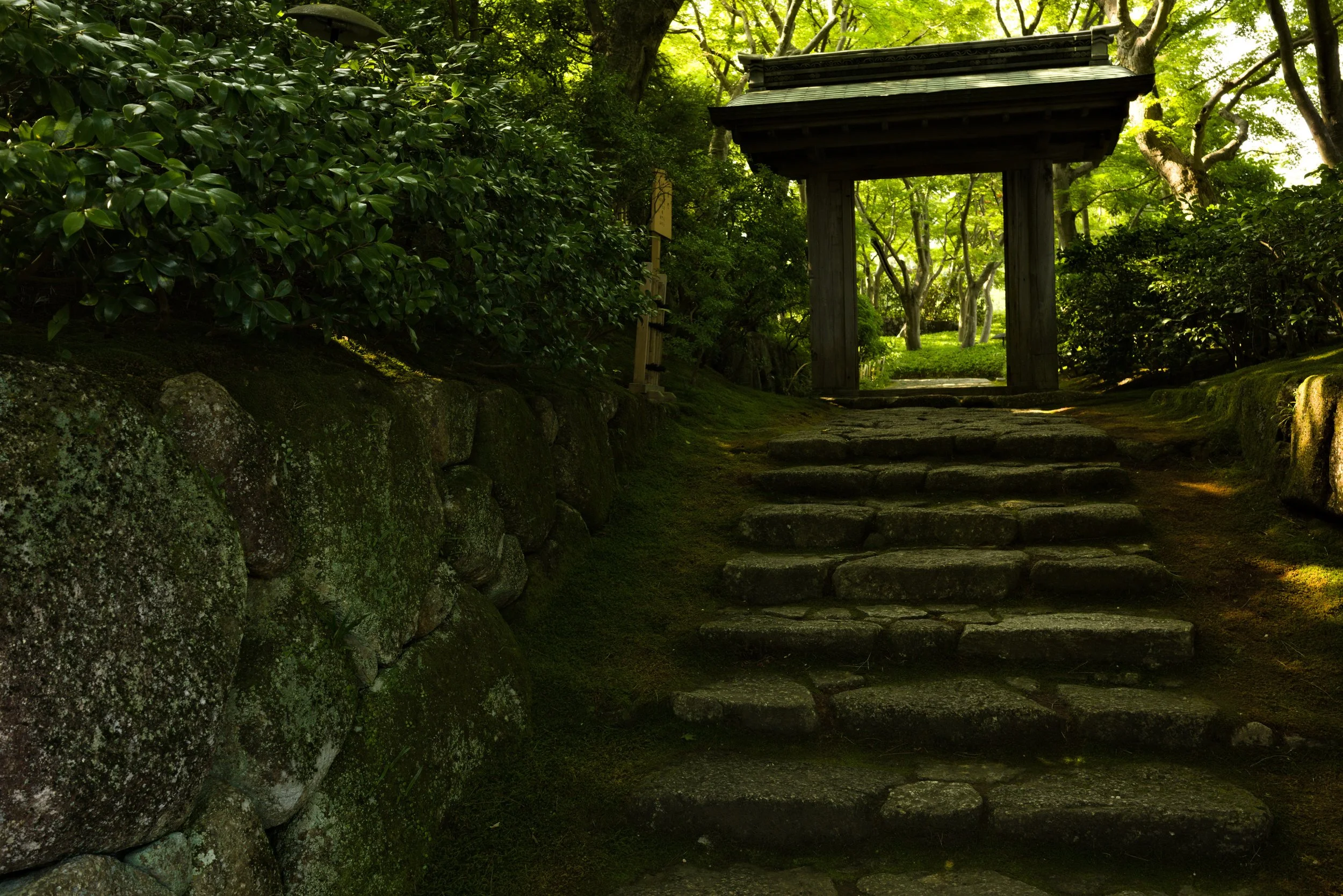
A roof, a gate and a path establish the scene before the garden comes into view. Timber gives the entrance weight, while the space beyond suggests a turn that the photograph does not yet reveal.
A roof, a gate and a path establish the scene before the garden comes into view. Timber gives the entrance weight, while the space beyond suggests a turn that the photograph does not yet reveal.
This image was made in Atami. I have kept the location at city level while the precise site is being checked. That uncertainty does not change what can be seen: the gate makes a boundary and invites the eye to cross it.
The most interesting part of the photograph is the pause. The path continues, but the entrance briefly becomes the destination. Its framing turns an ordinary change of space into an event that takes only a few steps to experience.
The village and the harvest
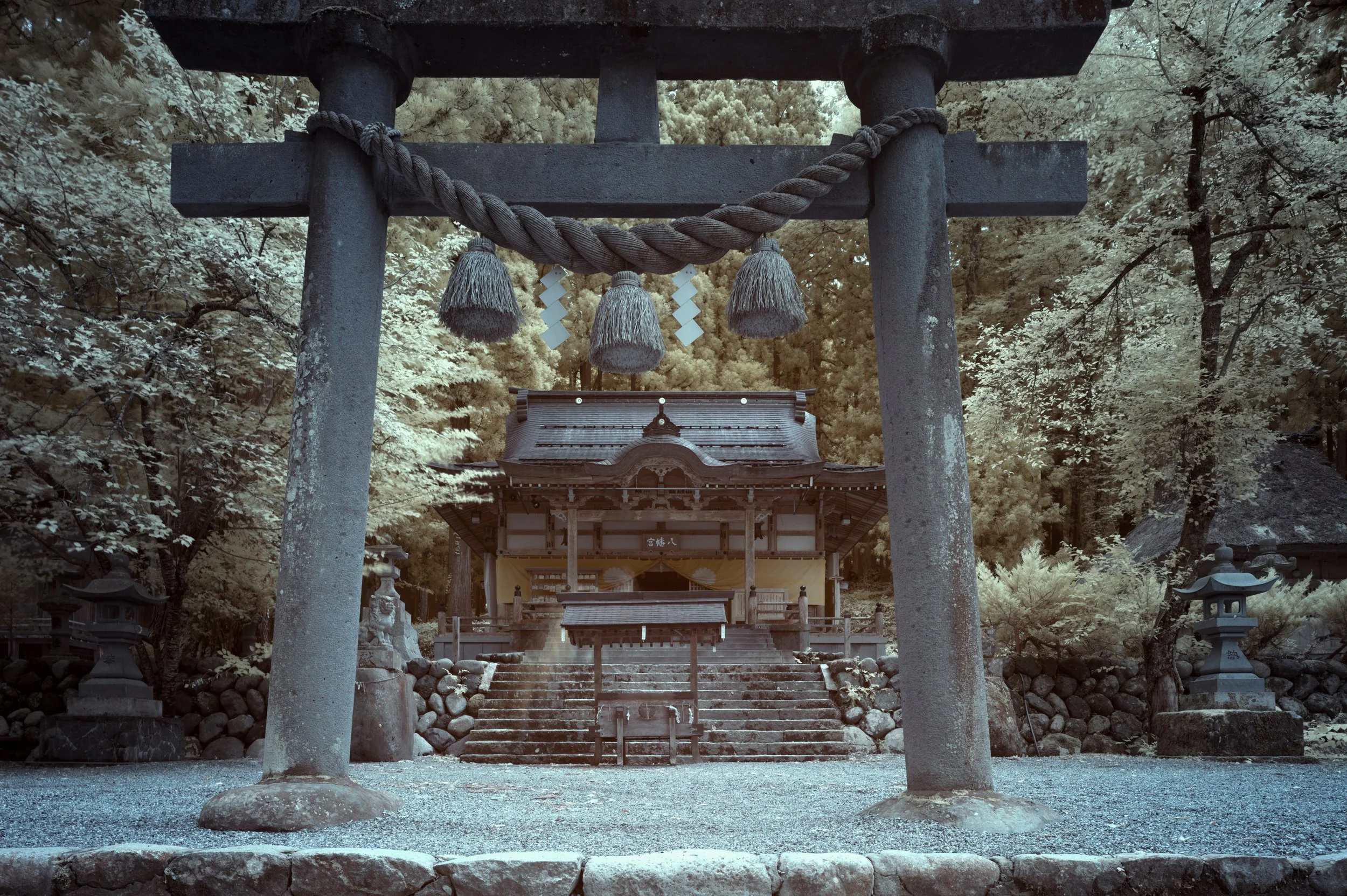
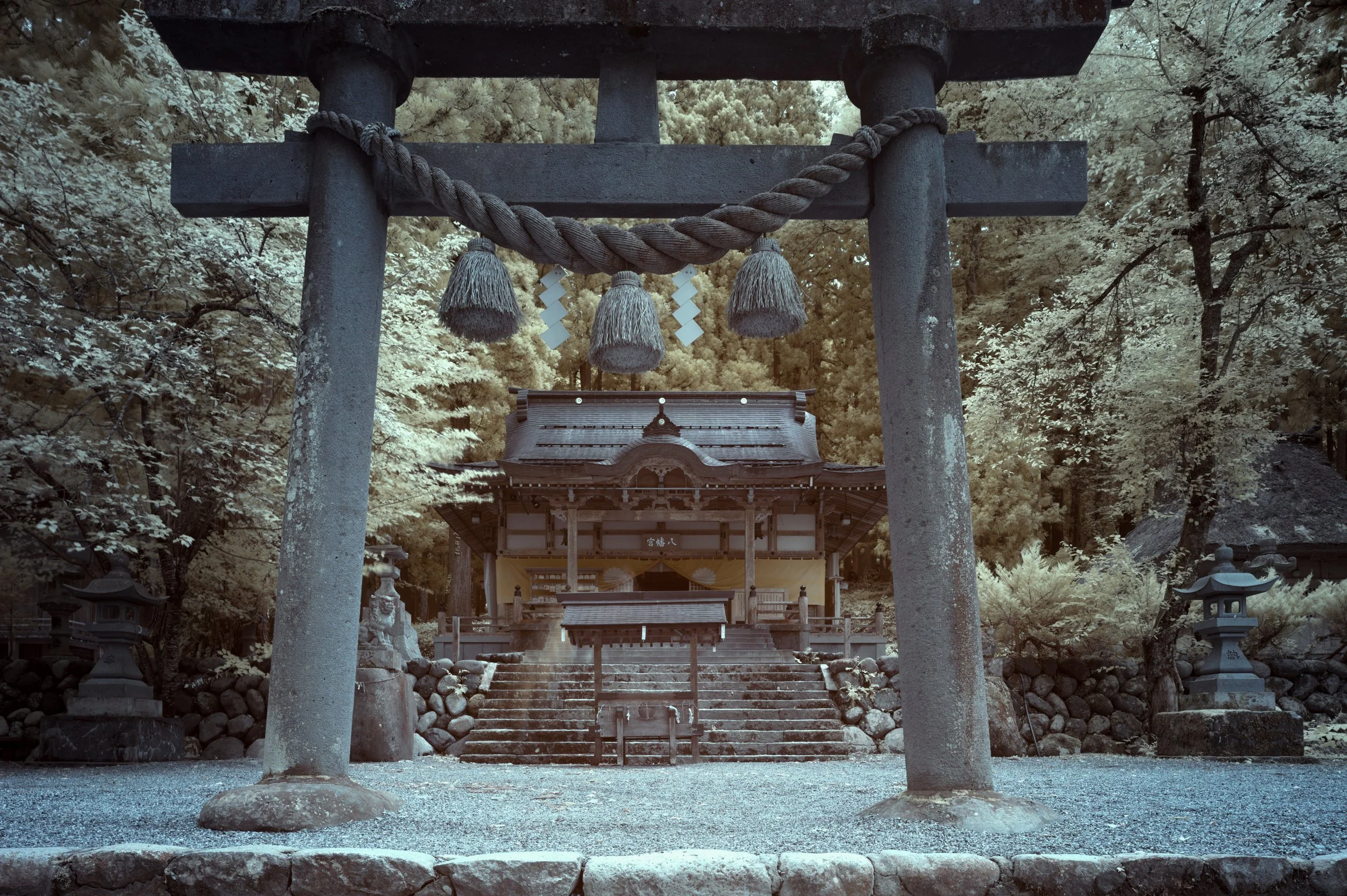
The shrine stands where the village and the forest seem to meet. Its buildings offer a human scale against the trees, while the open ground makes room for the people who return here throughout the year.
Shirakawa Hachiman is closely tied to village life. The doburoku festival belongs to autumn and joins prayers for the harvest with shared celebration. This photograph was made in August, away from the festival itself. It shows the place that holds those gatherings without pretending to record one.
I like the quieter interval in this view. The shrine is present as architecture, but its meaning extends beyond the frame, into the changing seasons and the community that uses it. What appears still in a photograph remains part of an ongoing calendar.
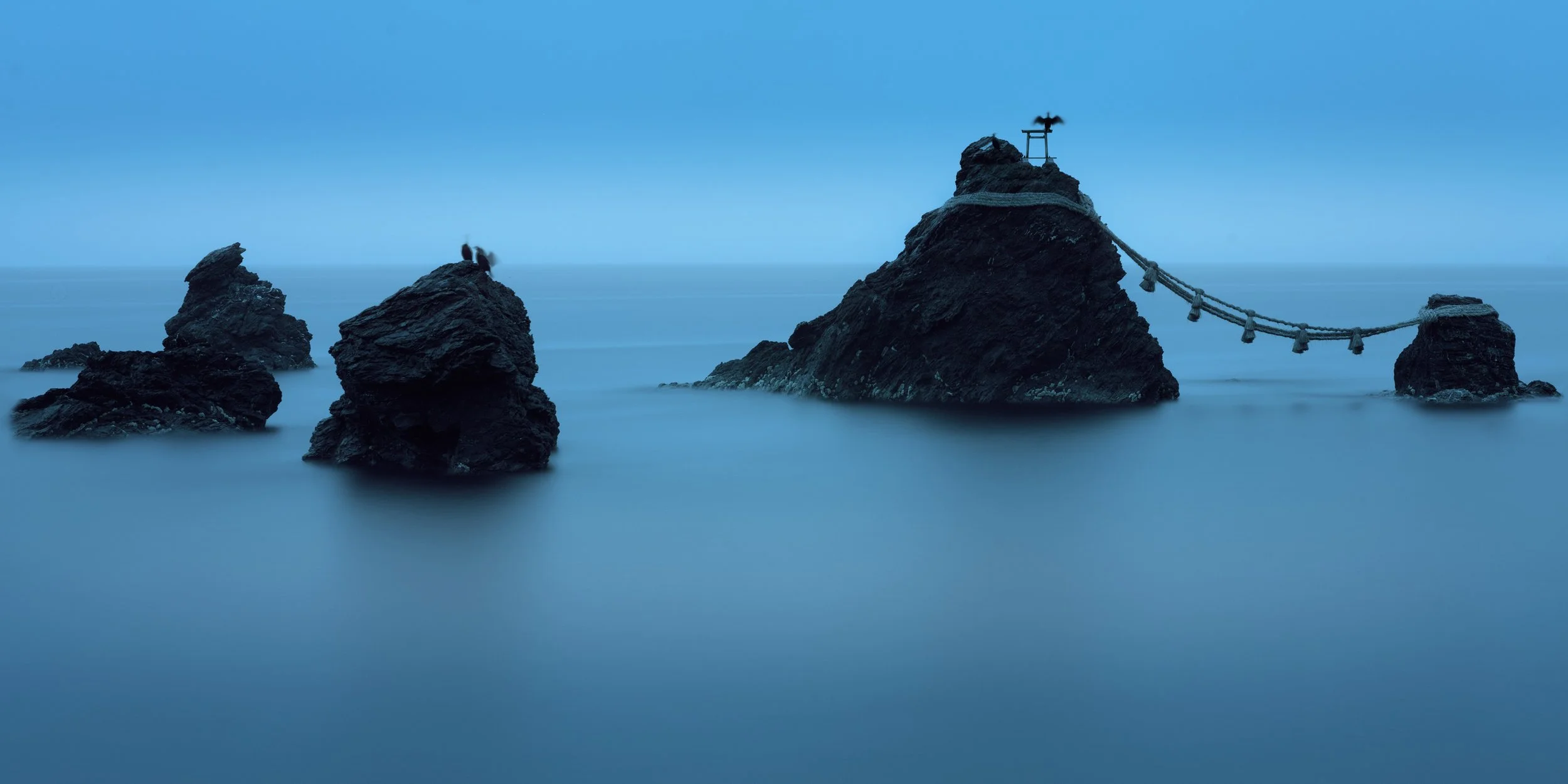
A New Home for My Photography
After some time away, lucacesari.com is back online.
I’ve brought together three projects to begin with: Soul of Japan, The Heliades and Panoramas. In this Journal, I’ll share the stories behind the images, notes from the places I visit and work in progress beyond what I post on Instagram.
I’m also preparing a selection of fine art prints. I’ll share more when they’re ready.
Thank you for being here.
Luca
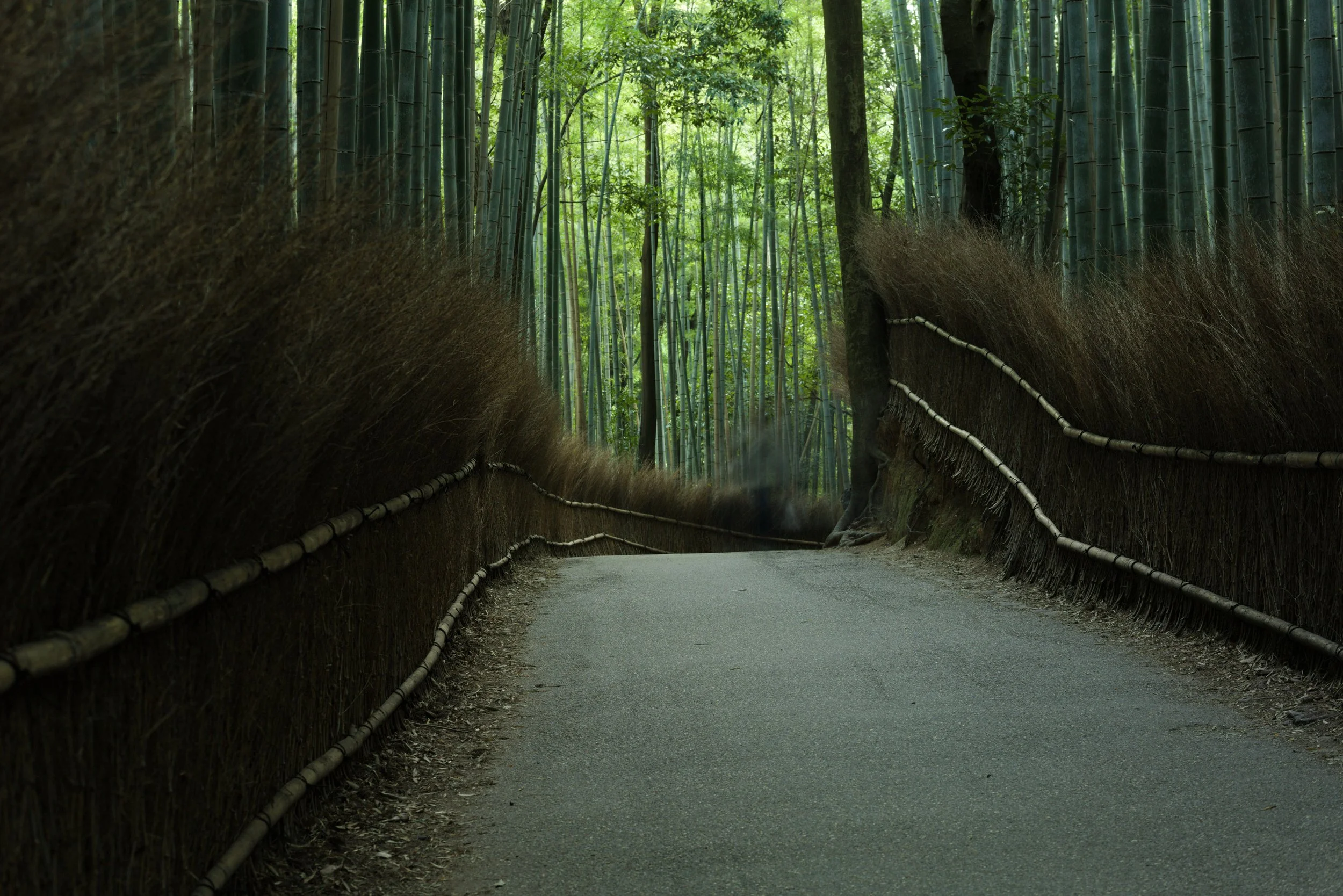
A Different Measure of Height — Arashiyama, Kyoto
A path curves out of sight beneath Arashiyama’s bamboo. In this photograph, the low fences and tall stems pull the eye in two directions at once.
A winding path bordered by low bamboo fences leads through the tall bamboo grove in Arashiyama, Kyoto.
At Arashiyama, the path begins generously in the foreground, then bends before the eye can follow it farther. Bamboo rises on either side. At ground level, dark fences trace the walk; higher up, the stems collect daylight and let it break into smaller patches of green.
It is tempting to look only at the height of the grove. What holds my attention in this frame is the way that height depends on what happens below. The fences curve, the trunks stay almost vertical, and the route between them refuses to run straight. The eye goes forward, glances up, then returns to the ground to find the beginning of the turn.
Arashiyama is one of Kyoto's most photographed places. The visible path and its carefully shaped edges tell a more specific story than an image of untouched nature: this is a place people enter and walk through. The photograph holds a short interval in that movement, with no one visible in the frame and no destination yet in sight.
The foreground takes up more space than a postcard view might allow. Its plain surface gives the tall stems a human measure. We can imagine our next steps, then look up and lose any easy sense of proportion. Farther into the frame, the bamboo grows lighter and closer together. The bend keeps part of the view hidden.
Nothing resolves on the far side of the curve. That incompleteness gives the photograph its pace. The path offers a direction; the grove offers scale. Together, they invite a slower kind of attention, one that can keep moving without needing to reach a landmark.
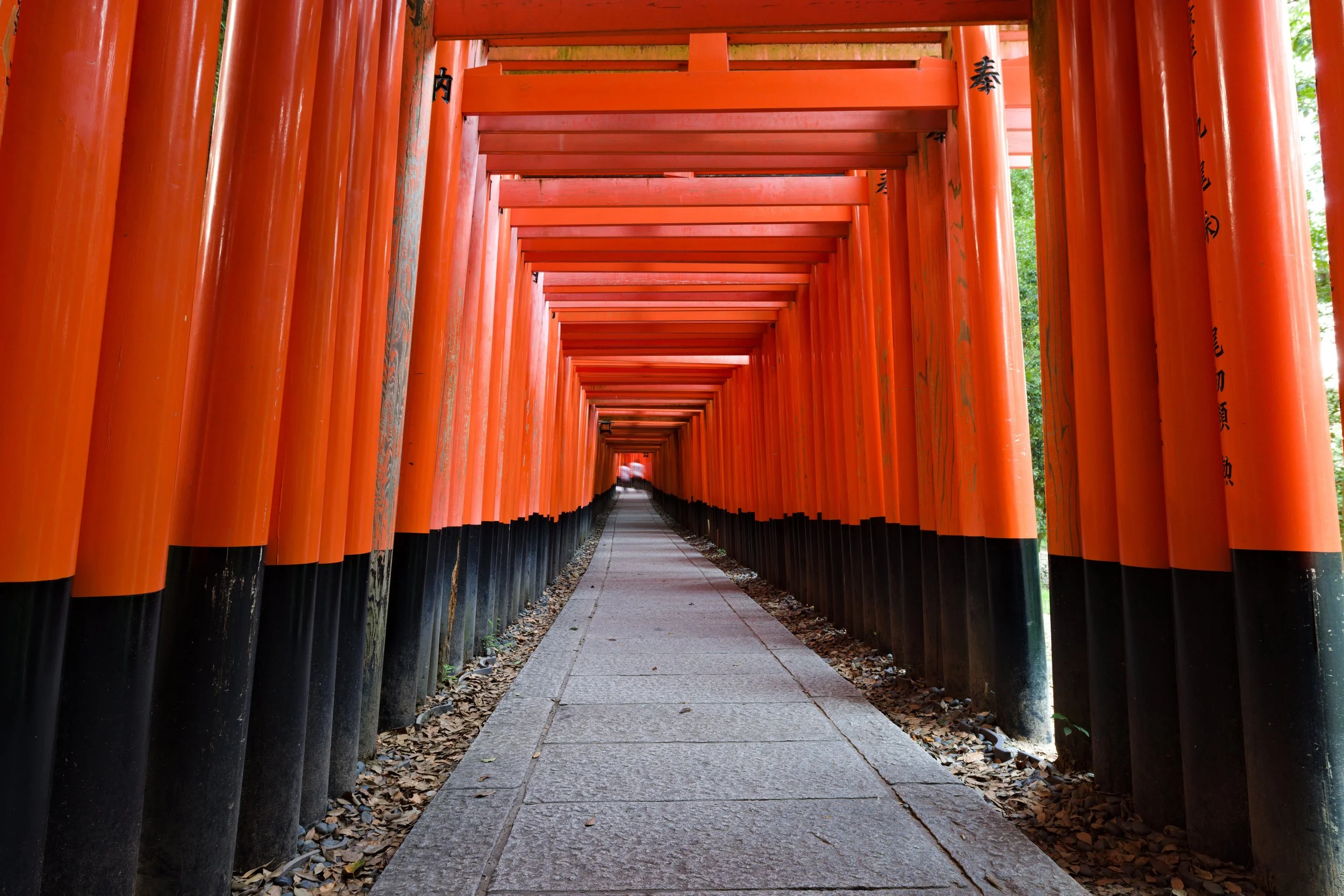
A Prayer Built in Red — Fushimi Inari, Kyoto
At Fushimi Inari, a corridor of red gates is made from individual offerings. One passing figure brings the scale of that long history back to a human moment.
At first, the gates merge into a single surface of vermilion. Then details begin to separate: dark bases, vertical inscriptions, paint that has weathered differently on each post. A stone path cuts a line through the structure and seems to disappear into the red. The photograph offers a strong sense of repetition, but none of these gates is interchangeable.
The Senbon Torii at Fushimi Inari Taisha are individual offerings. Worshippers have dedicated gates to the shrine since the Edo period, giving thanks or offering a prayer along the route through Inariyama. Seen from inside, these separate gestures become a continuous corridor. The image is easy to recognise; the lives behind it remain mostly beyond view.
Near the end of the corridor, a visitor becomes a pale trace. The exposure records enough movement to soften the person while leaving the architecture legible. The result is a place in use. The gates carry acts of devotion across generations, while a passerby needs only a moment to move through them.
Photography can bring these different times into the same frame. Here the gates hold their shape; the visitor almost slips away. Dry leaves gather beside the paving, and daylight enters in narrow spaces between the posts. Those details keep the scene rooted in an actual walk through the shrine, rather than an abstract pattern of red.
Each torii stands on its own. Together, they change the experience of walking, turning the path into a sequence of thresholds. Looking through them from this spot, I find myself thinking as much about the people who offered the gates as about the opening that waits at the end.